Welcome to the ultimate guide for property managers looking to maintain their properties efficiently throughout the year. Managing a commercial or residential complex is a multifaceted challenge that requires a proactive rather than a reactive approach. When maintenance is deferred, small issues quickly evolve into expensive liabilities that can threaten your bottom line and tenant satisfaction.
This checklist covers essential areas to ensure your property remains in peak condition and complies with all necessary regulations. By following a structured annual plan, you can extend the lifespan of your building’s infrastructure, enhance its aesthetic appeal, and provide a safe environment for all occupants.
How to Ensure Effective Security with Security Cameras?
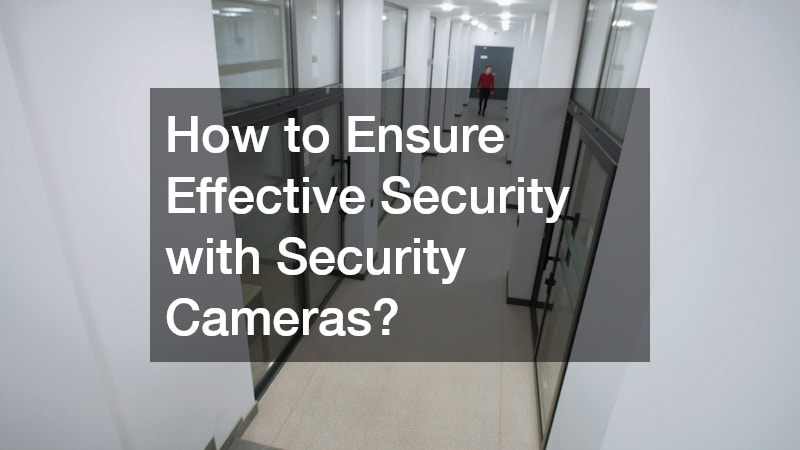
Security is the cornerstone of property management. A robust surveillance system not only deters criminal activity but also provides a sense of safety that high-quality tenants demand. To maximize the effectiveness of your commercial security camera system, you must look beyond simply “plugging it in.”
- Choosing the Right Type of Security Camera: Not all cameras are created equal. For outdoor parking lots, you may require PTZ (Pan-Tilt-Zoom) cameras with infrared night vision. For indoor hallways, low-profile dome cameras are often preferred for their wide-angle coverage and discreet appearance.
- Placement Best Practices: Strategic placement is vital. Focus on “choke points” such as entryways, elevators, and loading docks. Ensure cameras are mounted at heights that prevent tampering but still allow for facial recognition.
- Regular Software Updates and Maintenance: Modern security systems are essentially computers with lenses. They require regular firmware updates to protect against cybersecurity threats. Physically, lenses should be cleaned quarterly to remove dust, spider webs, or hard water spots that can obscure footage.
- Data Storage and Access Management: Decide between on-site NVR (Network Video Recorder) storage or cloud-based solutions. Cloud storage offers the benefit of remote access, allowing you to view footage from your smartphone at any time, which is essential for managing multiple sites.
What to Look for When Hiring Painting Companies?
The aesthetic condition of a property is the first thing a prospective tenant notices. Fading, peeling, or outdated color schemes can significantly devalue a space. Hiring a professional painting contractor is an investment in your property’s “brand” and structural integrity, as paint serves as a protective barrier against the elements.
When vetting professionals, consider the following:
- Assessing Experience and Portfolio: Ask for a portfolio of commercial projects similar in scale to yours. A team that excels at residential interiors might not have the equipment or manpower to handle a 50,000-square-foot warehouse exterior.
- Understanding Pricing and Contracts: Beware of bids that are significantly lower than the competition. These often indicate the use of subpar materials or a lack of proper insurance. Ensure the contract explicitly lists the number of coats, the brand of paint, and the surface preparation steps.
- Licensing and Insurance Requirements: Never hire a contractor without proof of Workers’ Compensation and General Liability insurance. This protects the property owner from lawsuits should an accident occur on-site.
- Quality of Materials and Techniques Used: High-traffic commercial areas require durable, low-VOC (Volatile Organic Compound) paints that can withstand frequent cleaning without losing their finish.
Protecting the Building Envelope and Structural Integrity
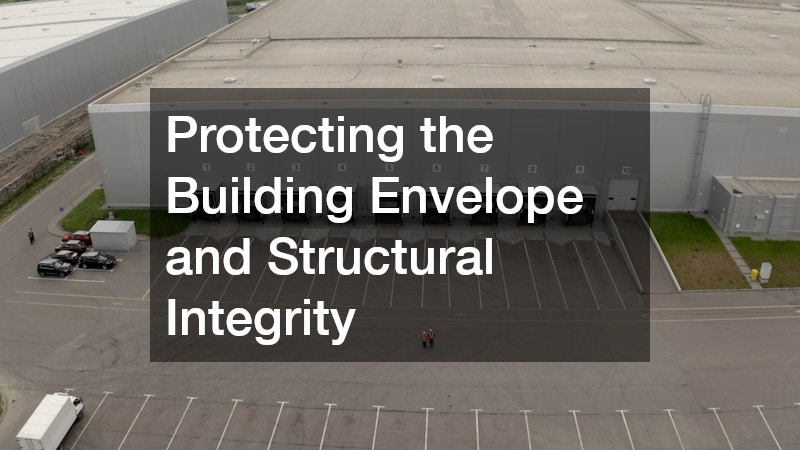
The roof is your property’s first line of defense. Because roof issues are often “out of sight, out of mind,” they frequently go unnoticed until a major leak occurs. Establishing a long-term relationship with a reputable roofing company ensures that your building remains watertight and energy-efficient.
- Regular Roof Inspections: You should schedule professional inspections at least twice a year—ideally in the spring and fall. A pro will look for clogged drains, damaged flashing, and membrane punctures that a general maintenance worker might miss.
- Identifying Signs of Wear and Tear: Look for pooling water (ponding), which can add immense weight to the structure, or “alligatoring” of the roof membrane, which indicates UV damage.
- Roof Repair vs. Replacement Decisions: A good contractor will help you calculate the “Return on Repair.” If the cost of patching a roof exceeds 25% of the cost of a new roof, or if the insulation is saturated, a full replacement is usually the more fiscally responsible choice.
- Understanding Roofing Materials: Whether your building uses EPDM, TPO, or modified bitumen, each material has specific maintenance needs. Your roofing partner can advise on reflective coatings that can lower your cooling costs by up to 30%.
Maintaining Access Points and Entry Systems
For many industrial and retail properties, the garage or loading dock door is the pulse of the business. If a door fails, operations grind to a halt. Accessing reliable commercial garage door repair services is not just about fixing a broken spring; it’s about maintaining operational flow and safety.
- Identifying Common Garage Door Issues: Misaligned tracks, worn rollers, and faulty sensors are common culprits. Because these doors are heavy and under high tension, they pose a significant safety risk if not handled by experts.
- Checking Credentials and Experience: Ensure the service provider specializes in “commercial” grade systems. Commercial doors have much higher cycle ratings than residential ones and require specialized heavy-duty hardware.
- Importance of Timely Repairs: A stuck door is a security breach. You need a partner who offers 24/7 emergency services to ensure your building is never left open to the elements or intruders overnight.
- Evaluating Customer Service and Support: Look for companies that offer preventative maintenance contracts. Regular lubrication of moving parts and tension adjustments can double the life of your door’s motor and cables.
Managing Legal Compliance and Contractual Obligations
Property management is as much about legal compliance as it is about physical maintenance. From drafting ironclad leases to handling difficult evictions, a business law attorney is an indispensable part of your professional circle. Legal errors can result in massive fines or lengthy court battles that drain your reserves.
- Navigating Property Lease Agreements: Standardized templates rarely suffice for complex commercial tenancies. An attorney ensures that clauses regarding “Common Area Maintenance” (CAM) and “Force Majeure” are clearly defined and enforceable.
- Understanding Tenant Rights and Obligations: Laws regarding security deposits, habitability, and privacy vary wildly by jurisdiction. Your legal counsel keeps you updated on local ordinances to prevent “wrongful eviction” claims.
- Risk Management and Liability Concerns: If a slip-and-fall occurs on your sidewalk, your attorney will work with your insurance company to mitigate damages and ensure your liability waivers are legally sound.
- Dispute Resolution and Litigation: When negotiations fail, having a lawyer who is already familiar with your property and business structure allows for a much faster and more effective legal response, whether through mediation or in the courtroom.
Detecting Environmental Hazards and Air Quality Issues
Water intrusion is the enemy of any building structure. If your property has experienced a pipe burst, roof leak, or even high humidity, a mold inspection is non-negotiable. Mold can spread through HVAC systems in as little as 48 to 72 hours, creating a significant health hazard for tenants.
Pro Tip: Schedule an inspection annually even if no leaks are visible, especially in basements, crawlspaces, and utility rooms where moisture tends to accumulate.
- Recognizing the Signs of Mold: Beyond visible dark spots, watch for musty odors, peeling wallpaper, or tenants complaining of unexplained respiratory issues or allergies.
- Engaging Qualified Mold Inspectors: Look for professionals who use thermal imaging and moisture meters to find hidden dampness behind drywall. They should provide a detailed laboratory report identifying the specific species of mold present.
- Implications of Mold on Health and Safety: Exposure to “black mold” (Stachybotrys chartarum) can lead to serious legal liabilities. Protecting tenant health is your primary duty of care.
- Mold Remediation Strategies: If mold is found, remediation involves more than just bleach. It requires high-efficiency particulate air (HEPA) vacuuming, antimicrobial scrubbing, and—most importantly—fixing the original source of moisture to prevent recurrence.
Streamlining Administrative and Workforce Management
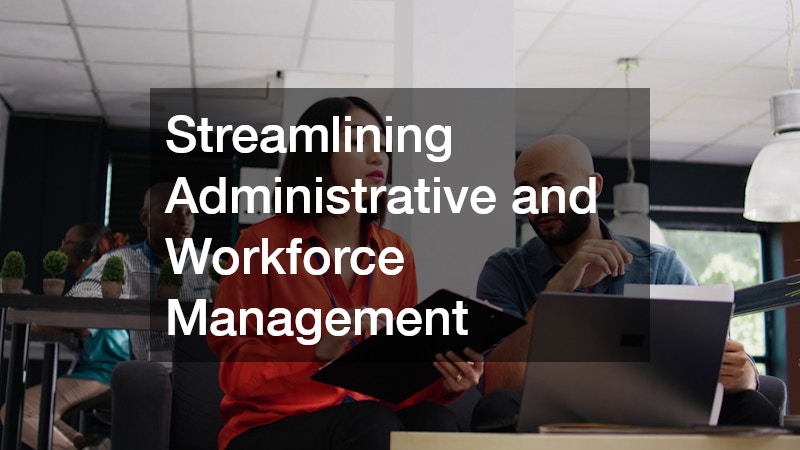
As your portfolio grows, so does your staff. Managing janitors, on-site managers, and maintenance crews involves complex tax filings and benefit administration. Utilizing payroll outsourcing services allows you to focus on property strategy rather than administrative paperwork.
- Advantages of Payroll Outsourcing: It eliminates the need for an in-house payroll department, reducing overhead. Furthermore, it provides employees with professional portals where they can access pay stubs and tax forms (W-2s) easily.
- Choosing a Reliable Payroll Service Provider: Look for a provider that offers integrated time-tracking. For property management, where employees may move between different buildings, being able to track “labor hours per property” is vital for accurate accounting.
- Compliance with Tax and Labor Laws: Labor laws change frequently. An outsourcing partner ensures you are compliant with the latest federal and state withholdings, avoiding costly IRS penalties.
- Cost-Benefit Analysis: While there is a monthly fee, the time saved by your management team and the reduction in human error usually result in a net gain for the business.
Optimizing Turf Health and Seasonal Landscaping
The exterior landscape is a direct reflection of your management style. Poorly maintained grass and dying shrubs signal neglect to current and future tenants. Partnering with local fertilizing companies ensures that your green spaces remain vibrant and healthy throughout the changing seasons.
- Benefits of Professional Landscaping: Beyond beauty, healthy turf prevents soil erosion and helps manage stormwater runoff. It also increases the “perceived value” of the property, allowing for higher rental rates.
- Seasonal Fertilizing Schedules: Lawns need different nutrients at different times. A spring “pre-emergent” prevents weeds, while a fall “winterizer” strengthens the root system to survive the cold.
- Environmental Considerations: Local experts know the specific soil chemistry of your region. They can apply eco-friendly, phosphorus-free fertilizers that won’t harm local waterways while still achieving a deep green color.
- Customized Fertilization Plans: Not every area of your property has the same needs. Shaded areas under trees require a different approach than sun-drenched parking lot islands. Professionals will soil-test your property to create a bespoke nutrient plan.
Implementing Preventative Protocols for Facility Hygiene
Pests are more than just a nuisance; they are a threat to your building’s infrastructure and the health of its occupants. A consistent pest control service is an essential preventative measure that saves you from the massive costs associated with infestations like termites or rodents.
- Identifying Common Pests: Depending on your location, you may face threats from cockroaches, bed bugs, ants, or rats. Commercial properties with food service tenants are at particularly high risk.
- Preventative Pest Control Measures: Instead of waiting for a sighting, professionals use Integrated Pest Management (IPM). This involves sealing entry points, managing trash disposal areas, and setting monitoring stations.
- Health and Safety Regulations: Many industries, particularly healthcare and food service, have strict legal requirements for pest-free environments. Regular documentation from your pest provider is often required for health inspections.
- Choosing a Trustworthy Pest Control Professional: Ensure your provider is licensed to use commercial-grade treatments and offers a guarantee. If an infestation occurs between scheduled visits, they should provide “knock-down” services at no additional cost.
Maintaining Pavements, Walkways, and Hardscapes
Concrete is often the most overlooked asset on a property—until someone trips on a raised sidewalk. Engaging a professional concrete company to maintain your walkways, curbs, and parking structures is a critical component of liability management and structural preservation.
- Concrete Repair vs. Replacement Guidelines: Not every crack requires a full pour. Methods like “mudjacking” or “poly-leveling” can lift sunken slabs for a fraction of the cost of replacement. However, if the concrete is “spalling” (flaking) or has deep structural cracks, a new pour is necessary.
- Understanding Material Durability and Longevity: Commercial concrete needs to be reinforced with rebar or fiber-mesh to handle the weight of delivery trucks. A professional contractor ensures the “PSI” (pounds per square inch) rating of the mix is appropriate for the intended load.
- Evaluating Decorative vs. Functional Concrete Solutions: For main entryways or courtyards, stamped or stained concrete can provide a luxury look for much less than the cost of natural stone.
- Cost and Quality Considerations: When reviewing bids, check for “sub-base” preparation. A concrete slab is only as good as the ground beneath it. A quality company will ensure proper compaction and drainage to prevent future cracking.
Maintaining a property requires vigilance and strategic partnerships. This checklist is designed to help property managers proactively plan for maintenance, leveraging expert services where necessary to ensure properties remain safe, attractive, and compliant all year round. By addressing each of these ten critical areas—from the digital security of your cameras to the physical stability of your concrete—you protect your investment and build a reputation for excellence in the marketplace. Ultimately, a well-executed maintenance strategy transforms a building from a mere physical structure into a thriving, high-value asset that attracts premier tenants and stands the test of time.